



Prime Highlights
- Researchers found that altering gut bacteria may improve memory and learning affected by ageing.
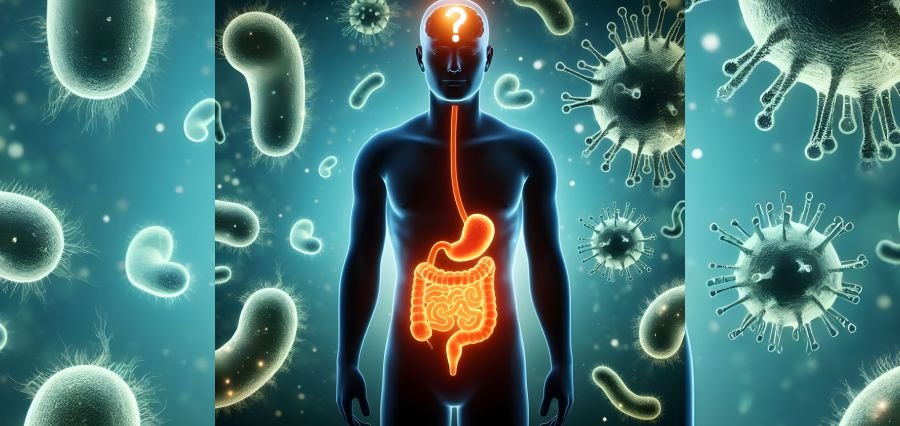
- The study highlights a strong link between the gut microbiome and brain function through the gut–brain axis.
Key Facts
- Scientists transferred gut microbes from older mice to younger mice, which led to memory decline in the younger animals.
- Reducing certain harmful bacteria helped improve memory performance in older mice during experiments.
Background
According to a new study at Stanford University School of Medicine, altering the gut microbiome may lead to memory restoration for elderly people who experience memory impairment. The researchers at university discovered that gut bacteria impact brain function, and their activity contributes to cognitive impairment.
The study investigated how gut microbes establish communication with the brain through the gut-brain axis pathway. Scientists observed that changes in the gut microbiome may contribute to declining memory and learning abilities as organisms age.
Researchers conducted experiments on mice to test the connection. After receiving gut bacteria from older mice, young mice experienced memory impairment. The study showed that age-related changes in gut bacteria had a direct impact on brain function.
The researchers discovered specific bacterial species that they believe cause cognitive decline. The introduction of these microbes to mice resulted in their memory impairment. The researchers found that when harmful bacteria were removed from older mice testing, their learning and memory abilities showed improvement.
The research shows that changing gut bacteria through microbiome modifications can lead to either a slowdown or a complete reversal of age-related cognitive decline. The researchers anticipate that future medical treatments will combine probiotics with dietary changes and additional treatments that focus on restoring gut bacteria to healthy levels.
However, scientists warn that it is difficult to draw human analogies from the observed phenomena, as the study was carried out on animals, and further research is needed.
The research demonstrates how microbiome studies have gained importance while showing that gut health has a greater impact on brain development and ageing processes than scientists previously thought.