Prime Highlight
- Australian researchers have discovered that human heart muscle cells can divide and regenerate after a heart attack, challenging the long-held belief that heart damage is permanent.
- The finding opens the door for future therapies that could enhance natural repair and improve recovery, potentially reducing heart failure risk.
Key Facts
- The study, published in Circulation Research, found that heart muscle cells regenerate in limited numbers after a heart attack, alongside scar formation.
- In Australia, around 144,000 people live with heart failure, while only about 115 heart transplants are performed annually, highlighting the need for improved treatments.
Background
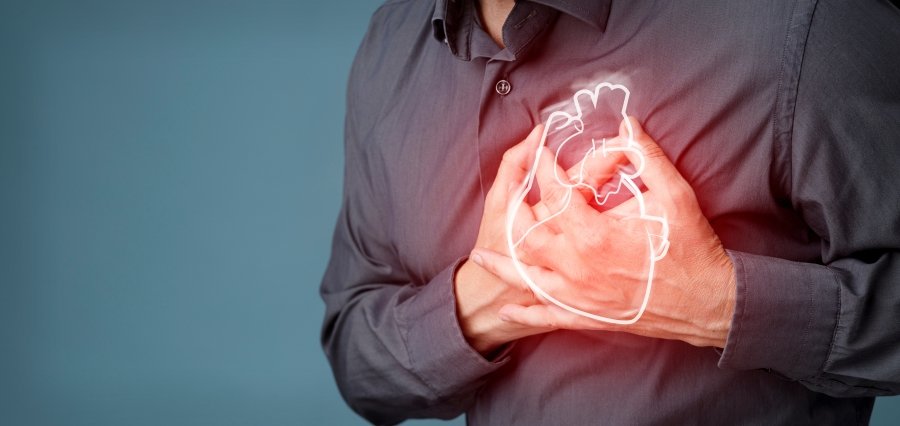
Human heart tissue can regenerate after a heart attack, according to a new study by Australian researchers, offering fresh hope for better heart disease treatment in the future.
For decades, doctors believed that once heart muscle cells died during a heart attack, the damage was permanent. The heart was thought to only heal by forming scar tissue, which can’t contract like healthy muscle. This scarring weakens the heart’s ability to pump blood and raises the risk of heart failure.
The new study challenges this belief. Researchers found that human heart muscle cells can divide and produce new cells after a heart attack, although in limited numbers. The findings were published in the medical journal Circulation Research.
A heart attack happens when blood flow to the heart is blocked, cutting off oxygen and killing heart cells. While the body tries to repair the injury, the repair process has long been seen as incomplete. Earlier studies showed that animals such as mice can regenerate heart tissue, but scientists believed humans lacked this ability.
Robert Hume, the study’s first author and a cardiologist at the University of Sydney, said the discovery changes how doctors understand heart recovery. He explained that although scarring still occurs, the heart also creates new muscle cells, which opens new possibilities for treatment.
Hume added that the natural repair process is not strong enough to fully prevent long-term damage. However, future therapies could boost this ability and help the heart heal better after an attack.
Heart attacks can destroy up to one-third of heart cells. Despite better survival rates, many patients later develop heart failure. In Australia, about 144,000 people live with heart failure, but only around 115 heart transplants are done each year.
Researchers say the findings could lead to new treatments that reduce the need for transplants and improve patients’ quality of life.