




Green Innovations
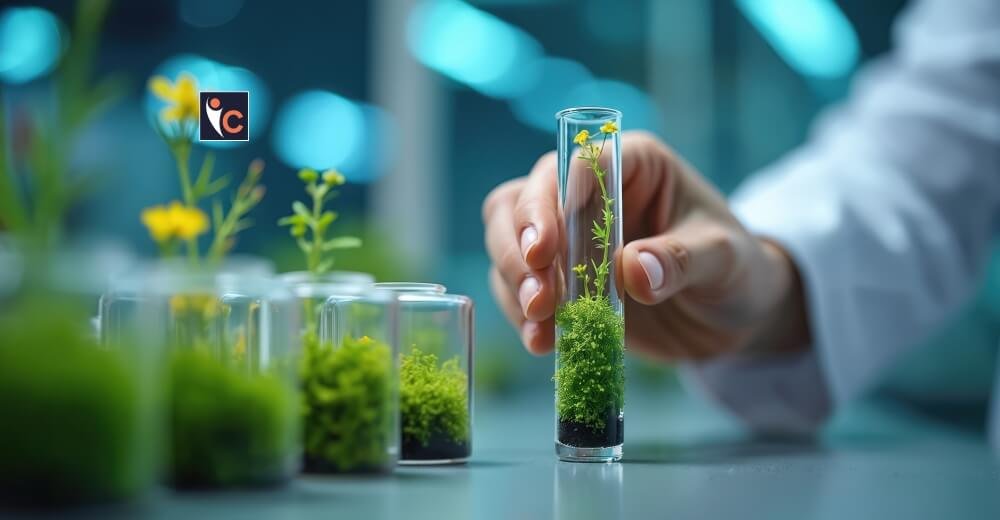
Biotechnology is changing how industries interact with the environment. While it used to focus mostly on healthcare and farming, it now helps support global sustainability. Biotech can reduce pollution, save resources, and repair ecosystems by replacing traditional, energy-heavy processes with cleaner, nature-based methods. By learning from nature, biotechnology is helping build a more sustainable and stronger economy.
The article shows how biotechnology uses natural processes to cut pollution, save resources, and support cleaner materials, energy, and farming systems.
Harnessing Biology for Environmental Restoration
One of biotechnology’s strongest environmental contributions is its ability to clean up pollution using natural processes. Microbes and enzymes degrade the pollutants present in soil, water, and air through bioremediation to orderly produce safe substances. These methods work under normal environmental conditions and avoid the harmful side effects often caused by chemical treatments.
Advances in biology have made these systems more effective, allowing organisms to function in tough environments. Instead of disturbing ecosystems, biotech approaches support natural processes already in place. This helps ecosystems recover faster while protecting biodiversity and long-term environmental health.
Recycling Materials by Bio-Based Substitutes.
Biotechnology is also transforming the materials industry. Scientists now use renewable biological sources to produce biodegradable materials that perform like traditional synthetic products but cause less environmental damage.
These materials are designed with their full life cycle in mind. After use, they break down naturally instead of adding to long-term waste. By moving away from fossil-based inputs and simplifying production, biotechnology supports a shift toward circular and more responsible manufacturing systems.
Making Bioprocessing More Efficient
Biotechnology sustainability also relies on product manufacturing. Modern bioprocessing is concerned with efficiency, continuous production and minimization of waste. Continuous processes ensure that there is smooth production and that recovery means reuse of useful byproducts.
At the micro level, scientists manipulate biological pathways to make organisms concentrate on the generation of a particular output. This reduces wasted materials and energy, making manufacturing cleaner and more efficient overall.
Turning Waste into Resources
Biotechnology helps build a circular economy by turning organic waste into useful materials. Farm, industrial, and city waste are decomposed by microbes and enzymes to produce reusable components that can be used to produce fuels, chemicals, and other products.
Instead of treating waste as a problem, biotech treats it as a resource. The systems are designed in such a way that one process feeds another, and there is therefore no necessity of having new raw materials, relieving the environment.
Working Alongside Green Chemistry
Biotechnology and green chemistry often work together to improve sustainability. Biological catalysts allow chemical reactions to happen efficiently using mild conditions and safer materials. This reduces energy use and limits the creation of harmful byproducts.
By copying natural biological processes, these methods combine multiple steps into simpler workflows. This makes production cleaner and more efficient, especially in chemical and pharmaceutical manufacturing.
Supporting Renewable Energy
Biotechnology also contributes to cleaner energy solutions. Biological systems can turn organic materials into renewable fuels that work with existing energy systems. By guiding natural processes, these systems convert carbon into usable energy more efficiently.
Some approaches use a mix of light-based and waste-based inputs, expanding the range of usable resources. This will lower emissions and enhance energy security.
Building Sustainability into Agriculture
Biotechnology in agriculture is used to minimize the environmental effects without compromising productivity. Biotech makes chemical fertilizers and pesticides unnecessary by enhancing the characteristics of the plants and promoting beneficial soil microorganisms. More efficient utilization of water and nutrients through crops, and the soil gets healthier as days go by.
Such practices contribute to long-term agricultural practices by ensuring the quality of soils and the surrounding ecosystems are conserved instead of looking at short-term gains, but instead focus on long-term agricultural health.
Conclusion
As biotechnology continues to develop, digital tools and advanced modeling play a bigger role in improving sustainability. Simulations are useful in refining processes earlier, before they start, whereas adaptive systems readjust themselves to remain efficient. Strong regulations and ethical guidelines also support responsible use.
In the future, the combination of biotechnology and other disciplines such as artificial intelligence and materials science would result in even greater solutions. These and other developments put biotechnology as a frontline contributor to an economic development that is sustainable and environmentally responsible.
Through ongoing green innovation, biotechnology shows that technological progress and environmental responsibility can go hand in hand. By learning from nature and applying those lessons carefully, the field is helping create a more balanced and sustainable future.