

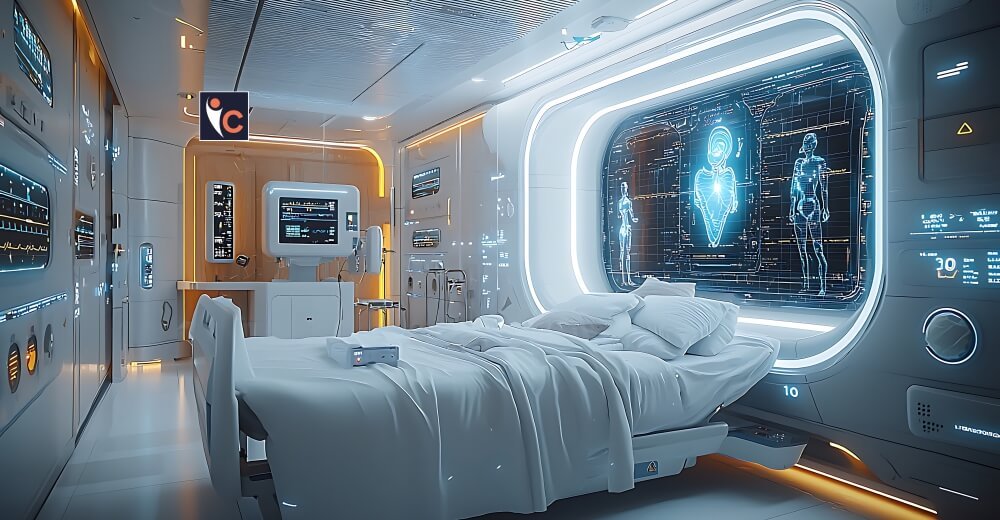
Smarter Healthcare Systems
There is a continuous need in the field of health care to improve effectiveness and reduce costs amid growing prices, personnel problems, and more requests for service. In such situations, hospital administrators mustn’t rely only on routine approaches and traditional methods. They need something more sophisticated, which can help them be more effective, more consistent, and make proper decisions in all departments.
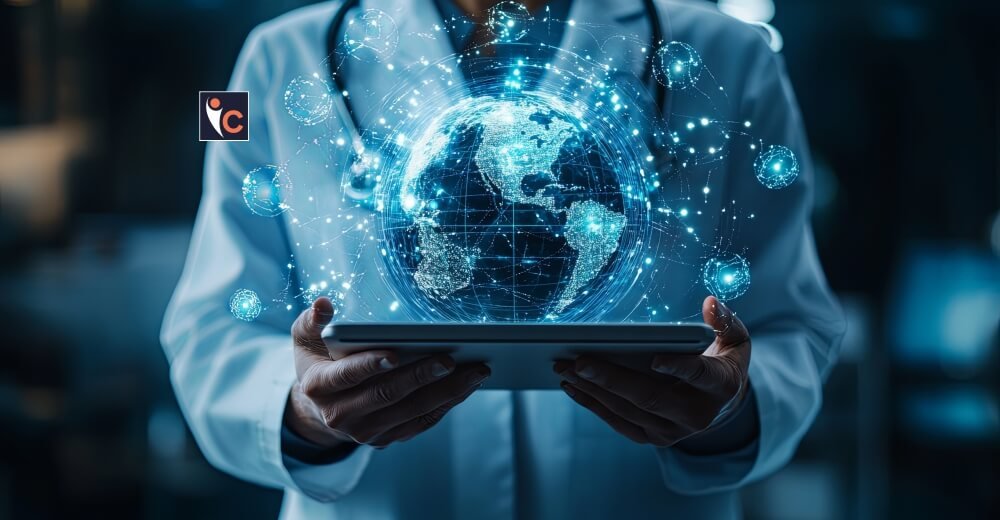
Artificial Intelligence in the health care system is not a futuristic vision anymore; it is being applied at various hospitals all over the world today and is becoming more and more popular. AI Solutions for Hospitals are currently providing real solutions to the majority of long-term problems experienced by these organizations, and the range of what they can do is expanding every year.
Smarter Diagnosis, Better Outcomes
One of the key areas that has been made possible through artificial intelligence in hospitals is the use of artificial intelligence in diagnostics. Artificial intelligence can process data, such as taking in data from medical images, lab tests, and other patient information, far faster than a human could. This greatly enhances the precision of diagnosis, allowing doctors to diagnose diseases like cancer, heart ailments, and neurological disorders far earlier than would otherwise be possible.
Apart from imaging, artificial intelligence technology is being deployed to aid clinical decision-making in real-time. As soon as the vitals of the patient start changing, the AI technology detects this change instantly and proposes a way forward depending on the pattern of past cases. This form of assistance lowers the probability of human error. For healthcare institutions, adopting AI Solutions for Hospitals is not only a medical decision but also a risk management decision.
Operational Efficiency Across Departments
Many hours and dollars are lost to administration in hospitals. It takes hours of work to schedule patients, bill them, document, deal with insurance companies, and prepare a compliance report. The AI Solutions for Hospitals platform has been extremely useful in automating these functions, minimizing mistakes, and saving a lot of time in administrative activities. Hospital businesses will be optimized through the automation of healthcare processes that would help them run efficiently without the need for hiring many more employees.
The other application of AI technologies that is increasingly gaining popularity in the health sector is predictive analytics. AI algorithms use patient data to predict the number of admissions, demand for intensive care units, and many other things. As a result, hospitals can plan better, knowing what is going to happen in the future. Predictive analytics gives hospitals the ability to make operational decisions in advance.
Personalized Care and Remote Monitoring
The other aspect of how AI is transforming healthcare in hospital settings is that it allows for efficient management of patient care outside the physical boundaries of the facility. This is achieved by the ability to continuously monitor patients through the use of remote monitoring devices, which are able to notify healthcare professionals about changes that may pose health risks through an alert triggered by the artificial intelligence system. In this manner, there is reduced need for readmission and recovery of the patients is achieved more easily.
The concept of personalized care becomes significantly more effective when AI Solutions for Hospitals are used to guide clinical decisions. With the help of advanced analysis of patient information, which includes such aspects as personal health record, lifestyle and the reaction to various types of treatments, it becomes easier to develop treatment programs that suit each particular patient individually. Such care is extremely important when it comes to chronic diseases.
Conclusion: Technology That Serves People
There is no longer any abstract argument about the value of AI Solutions for Hospitals. There is evidence of its impact through increased diagnostic precision, greater efficiencies in operation, and enhanced experiences for patients at those hospitals that have implemented it prudently. Hospitals that are viewing artificial intelligence technologies as a strategic resource, rather than merely as something new, are starting to reap the benefits.
What is most important is whether or not the technology helps human beings who use it in some way. When it makes the lives of patients easier and the lives of medical professionals more manageable, then it will have achieved its purpose. This should be the measure by which future advances in healthcare stand.