



Expanding Rescue Access
When an emergency happens in a city, help is typically minutes away. When it happens in a remote region deep in a mountain range, across a stretch of open water, or in a rural area far from the nearest road, the calculus changes entirely. Distance becomes the defining variable, and in life-threatening situations, distance costs time that patients do not always have. This is the problem that air rescue services exist to solve, and the growing demand for these services across remote regions reflects both the increasing human presence in those areas and a deeper understanding of what rapid access to emergency care actually means for survival outcomes.
The Essential Functions of Modern Air Rescue
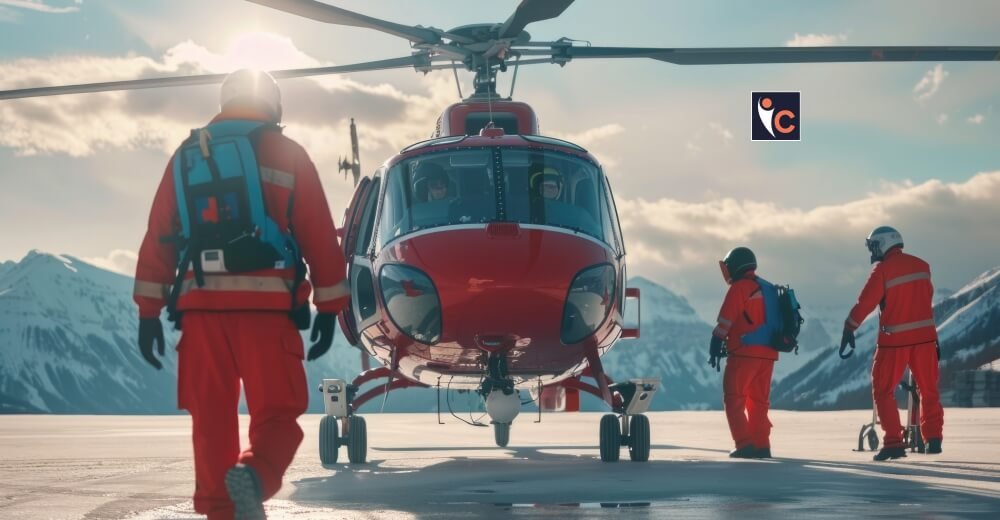
Air rescue services cover a range of operations that share one common thread: reaching people in situations and locations that ground-based emergency response cannot access quickly enough to make the difference that needs to be made. This includes locating and extracting individuals in wilderness environments, responding to maritime emergencies, transporting critically injured or ill patients from remote areas to medical facilities and providing support in disaster situations where infrastructure has been damaged or destroyed.
The teams delivering these services combine aviation expertise with medical training and rescue capability, operating as an integrated unit rather than as separate functions working alongside each other. That integration is what makes it possible to locate, reach, stabilize, and transport a patient in a single coordinated response rather than a series of handoffs between different teams.
Why Remote Environments Depend on Air Rescue
Remote regions present rescue challenges that are not simply a matter of distance. Mountainous terrain, dense forests, open ocean, and extreme weather conditions all create environments where conventional emergency response faces real and sometimes insurmountable barriers. Roads do not exist. Terrain is impassable on foot in the time available. Weather closes windows of access that ground teams depend on.
Air rescue services operate in exactly these conditions, equipped, trained, and designed to function where other forms of emergency response cannot. The ability to fly above terrain rather than through it, to hover in place during extraction, and to cover distances in minutes that would take ground teams hours changes what is achievable for people in genuine distress in remote environments.
The Medical Dimension of Remote Rescue
Getting to a patient is only part of the challenge. In many remote rescue scenarios, patients have been injured or have deteriorated over time before help arrives, and the medical condition they are in when the rescue team reaches them requires immediate clinical attention rather than simply transportation.
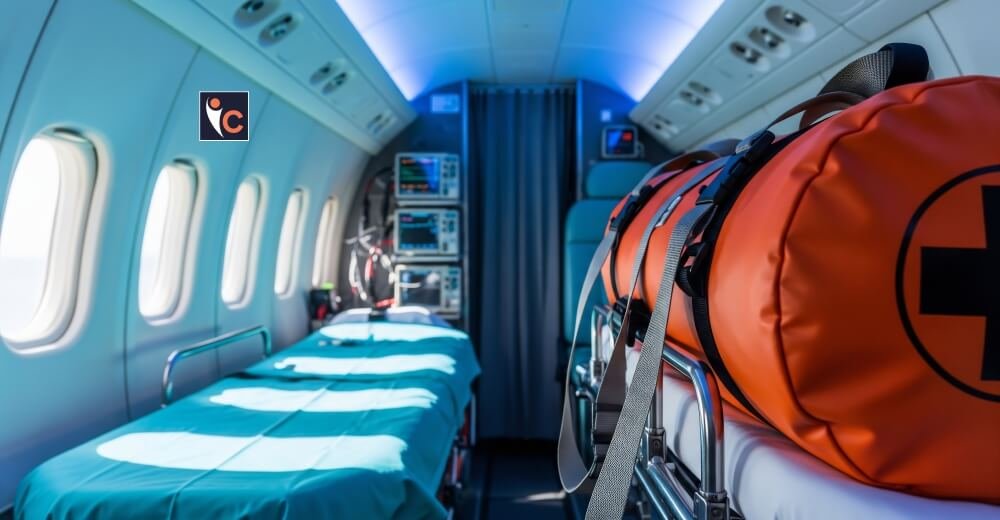
Air rescue services that incorporate medical capability into the rescue team can begin treatment at the point of rescue rather than waiting until the patient reaches a facility. This matters enormously for conditions where time between injury and treatment directly determines outcomes. A rescue that also provides immediate medical stabilization is fundamentally more effective than one that simply extracts and transports.
Modern Tools That Strengthen Air Rescue Missions
The capability of air rescue services has expanded considerably as technology has advanced. Navigation systems that function reliably in poor visibility, communication equipment that maintains contact across remote terrain, and medical devices compact enough to be carried on aircraft and effective enough to manage critical patients have all raised what rescue teams can realistically achieve in the field.
Night vision capability has extended the operational window beyond daylight hours. Improved aircraft performance has expanded the altitude and weather conditions within which operations can safely be conducted. And advances in coordination technology have improved the ability of rescue teams to locate people in distress more quickly and more accurately than older search methods allowed.
Closing the Gap in Access to Critical Care
One of the more important conversations around air rescue services is the question of who has access to them. In many remote regions, access to emergency medical care has historically been determined by geography in ways that create significant inequity between populations living close to services and those living far from them.
Expanding air rescue capability in underserved remote regions is not just an operational priority; it is an equity issue. People living in remote communities deserve access to emergency response that gives them a comparable chance of survival to those living in areas better served by ground-based services.
Looking Ahead
As human activity continues to expand into more remote environments through recreation, resource development, and the communities that support both, the demand for air rescue services will continue to grow alongside it. The populations depending on these services are not shrinking, and the situations that create the need for rapid aerial emergency response are not becoming less common.
Investment in the aircraft, the training, the medical capability, and the coordination infrastructure that makes effective remote rescue possible is an investment in the safety of everyone who lives, works, or travels in the regions these services cover.