
Integrated Insights
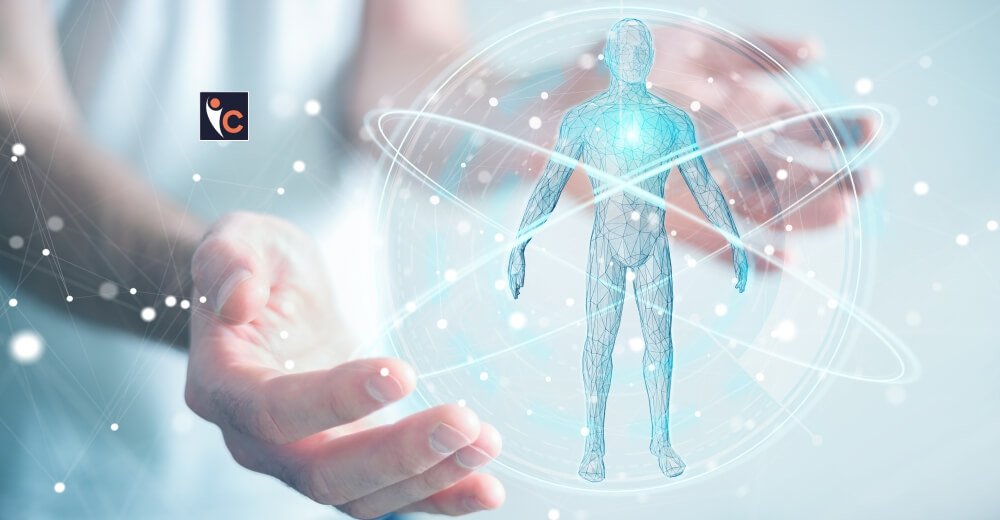
Modern medicine is moving away from simple explanations of health and disease. As researchers learn more about the human body, it has become clear that looking at just one factor, such as genes or proteins, cannot fully explain why people get sick, respond differently to treatments, or stay healthy despite known risks. This understanding has led to growing interest in multi-omics, an approach that studies biology as a connected system rather than isolated parts. Multi-omics offers a broader way to understand how biological processes work together over time.
The article explains how combining different biological data helps scientists better understand human health, disease, and personalized treatment.
What Is Multi-Omics?
Multi-omics involves studying several biological data types from the same samples at the same time. These include genomics, transcriptomics, proteomics, metabolomics, and epigenomics. Each provides a different view of how the body functions.
Genomics focuses on the genes a person inherits. Transcriptomics shows how cells turn genes on or off in response to changes inside the body or the environment. Proteomics examines proteins, which carry out most cellular functions. Metabolomics studies small molecules that show how cells use energy and nutrients. Epigenomics studies chemical changes that affect gene activity without changing the DNA.
On their own, each dataset tells part of the story. When combined, they offer a more complete picture of how biological signals move from genes to cells and ultimately affect health. This combined view helps researchers see how the whole body works together.
Understanding Health Complexity
Human health depends on constant interaction between genes, cells, and the environment. Most diseases do not arise from a single faulty gene. Instead, they develop when problems spread across multiple biological pathways.
Multi-omics allows researchers to follow these changes step by step. Genetic data may indicate disease risk, but they often cannot explain when illness will appear. Combining information on gene expression and protein activity, scientists may have a glimpse of how genetic risks get activated in response to specific conditions. Metabolic data then shows how these changes affect cell function.
This approach helps explain why people with similar genetic risks can have very different health outcomes. Others gain balance by some protective biological mechanisms, and others become diseased. Multi-omics changes the emphasis on individual risk factors to the capacity of the body to adapt and to stay stable.
How Researchers Integrate Omics Data
Combining different types of biological data is complex. Researchers generally use two approaches. Sequential integration studies each data type separately and then combines the findings, which works well for focused research questions. Parallel integration analyzes all data layers together, making it easier to detect coordinated biological changes.
Network-based methods provide more insight into the way molecules interact with each other. Such networks are able to point to important molecules that are central to health or disease. A large number of studies currently utilize a combination of methods to process large datasets and make results biologically relevant.
The choice of approach depends on the research goal and data quality, but the aim is always the same: to uncover important biological relationships hidden within complex data.
Advances Supporting Multi-Omics Research
Advances in computing have helped multi-omics research grow. New tools can handle large amounts of data, remove errors, and fix technical differences. Researchers use these tools to find patterns in different types of data and connect molecular information to health outcomes.
Network analysis helps find groups of molecules that work together in health or disease. Cloud-based platforms let researchers use large datasets safely while keeping data private. Meanwhile, single-cell and spatial methods show in detail how molecular activity varies between cells and tissues.
Ongoing Challenges
Even though multi-omics is promising, it has challenges. Issues include the different types of data, high processing requirements and the inability to integrate data. Privacy concerns also affect how researchers share data.
To make a real-world impact, results must be tested in different populations. Cross-collaboration, sharing standards, and simpler tools are contributing to solving the challenges and making multi-omics studies more user-friendly.
Conclusion
The future of multi-omics is in combining biology, time, and environment. Emerging technologies will enable researchers to examine biological functioning on a more detailed level, and bigger datasets will correlate molecular data with lifestyle and environment.
As these advances come together, multi-omics is expected to become a foundation of modern healthcare. By recognizing and studying biological complexity, this approach offers a clearer understanding of human health and a more informed path toward preventing disease and maintaining well-being.