


Leadership in Aging Care
Across the globe, societies are entering a defining demographic era. Longer life expectancies and declining birth rates are increasing the proportion of older adults, placing new demands on healthcare systems, economies, and communities. At the center of this shift, geriatric care leaders shape how aging populations receive support through clear strategy and a strong focus on human needs.
The article shows how geriatric care leaders help manage aging populations by improving care, supporting teams, shaping policies, and ensuring quality and dignity in elderly care.
Responding to a Demographic Shift
Aging is no longer a future issue; it is happening now. The health care systems that previously operated with short-term care now have to deal with long-term illnesses, such as chronic disease, impaired mobility and memory lapses. These issues also impact housing, social services, and public policies.
Geriatric care leaders focus on prevention, early treatment, and community services. They establish good support beyond hospitals, alleviate the burden on health care facilities, and enhance access to care among older adults.
They also contribute to economic planning by supporting policies that balance work opportunities for older adults with stable retirement systems. This helps maintain both financial stability and quality of life.
Defining Leadership in Aging Care
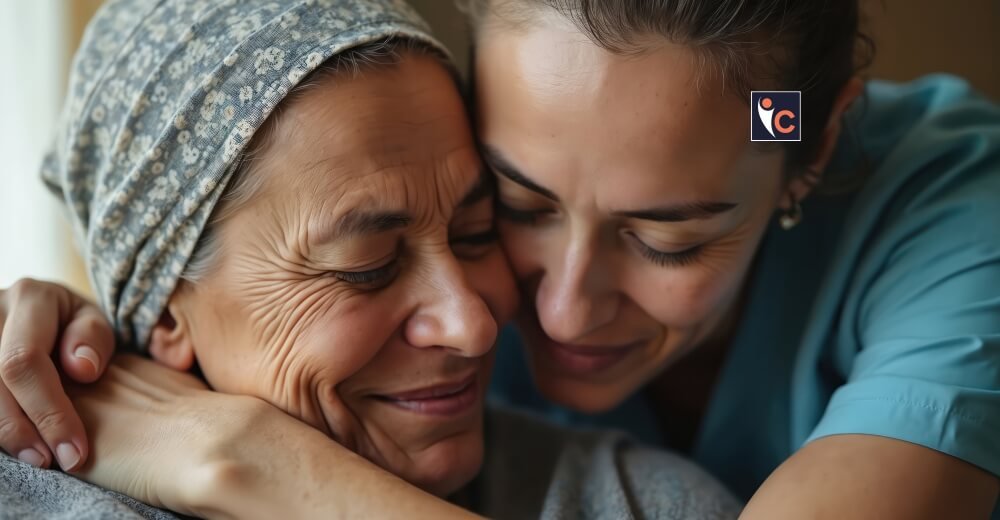
Leadership in this field brings together doctors, managers, and policymakers to provide care in homes, clinics, and care facilities. Their focus is not just on treatment but also on well-being, independence, and dignity.
Leaders manage regulations, finances, and workforce needs. At the same time, they shape workplace culture by encouraging empathy, respect, and ethical practices. Geriatric care leaders also connect families, caregivers, and healthcare providers. They ensure that care plans are practical, personalized, and well-coordinated.
The Role of Leadership Style
Leadership style has a direct impact on care quality. A clear and supportive approach helps teams perform better in demanding environments.
Effective leaders set clear goals, support their teams, and encourage growth. They also identify personal strengths and assist in minimizing stress and burnout rates among caregivers.
They also encourage free flow of information, where teams are allowed to exchange ideas and enhance current practices. This forms a culture of lifelong learning and improvement.
Creating Supportive Work Environments
The work environment strongly affects how care is delivered. Leadership enhances teamwork, morale and staff retention. The leaders remain active in the care facilities, solve problems promptly and equally distribute work. This will aid in the minimization of confusion and trust among teams.
They give caregivers a bigger role in decisions, which builds confidence and involvement. Appreciating their work also increases commitment. For home-based care, leaders use digital tools and regular communication to stay connected with remote teams.
Building Future Leaders
Strong leadership requires continuous development. The training programs assist in equipping professionals with clinical as well as management roles. These programs combine knowledge with practical experience. Simulations and team-based learning help build problem-solving skills.
Mentorship is also important. Senior leaders mentor new professionals, making them aware of issues in the real world. Continuous learning makes leaders remain effective as the discipline evolves.
Influencing Policy and Awareness
Leaders in aging care also shape policies that affect services and funding. They advocate for better resources and fair access to care.
They emphasize the demands of the vulnerable populations and contribute to equal resource allocation. By sharing data and real experiences, they help create meaningful change. They also work to change how society views aging, encouraging respect and inclusion.
Strengthening Team Collaboration
Good care depends on strong teamwork. Doctors, nurses, therapists, and social workers must work together to meet complex needs.
Leaders support this by encouraging communication and shared decision-making. Regular discussions and coordinated care plans keep everyone aligned. In more advanced systems, teams work closely together, sharing responsibilities and creating better outcomes for patients.
Using Technology Effectively
Technology is becoming an important part of aging care. Tools like digital records and wearable devices help track health and improve efficiency.
Geriatric care leaders make sure that technology is applied to the care and does not substitute human interaction. They train staff to use these tools properly. They also mind privacy and fairness, ensuring that technology is safe and accessible to all.
Maintaining Ethical Standards
Leaders often face difficult decisions, especially around end-of-life care and resource use. They lead teams by emphasizing fairness, respect, and dignity. They encourage open discussions and clear decision-making processes.
This gains the confidence of the patients, families, and employees. They also respect cultural differences, ensuring that care remains inclusive and person-centered.
Conclusion
As populations continue to age, the need for strong leadership will grow. Executives are coming up with models that will integrate healthcare, housing, and community-based support. The future is being defined by programs that bridge the generational gap and encourage sustainability.
This progress will still be directed by geriatric care leaders. Their efforts contribute to the fact that people live longer, have dignity, independence, and quality of life. Their role remains essential in building systems that meet today’s needs while preparing for the future.