



Radiology Driven Precision
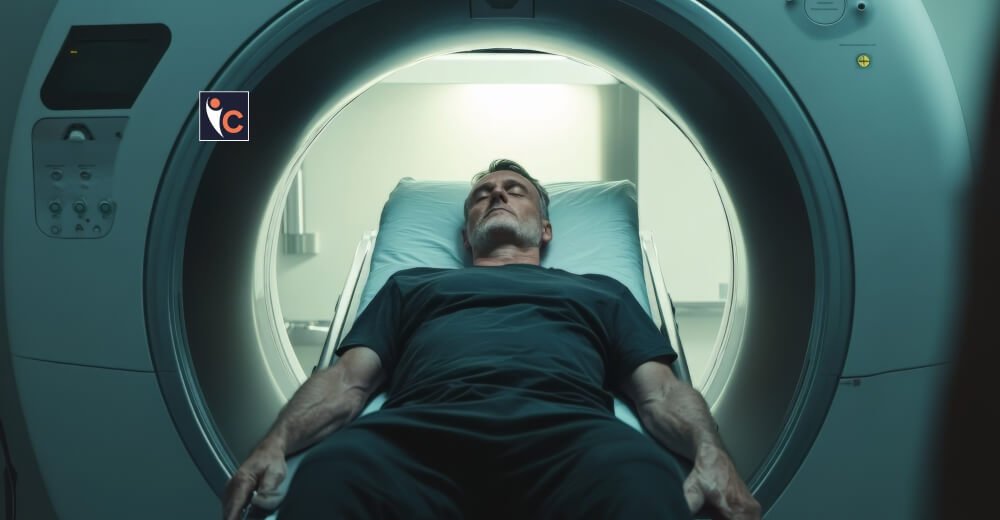
Most people are familiar with radiology as the department that reads scans and produces reports. What many do not realize is that radiology has evolved far beyond that function. Today, imaging technology is used not just to look inside the body but to treat conditions within it precisely, safely, and with minimal disruption to the patient. This evolution has brought a new kind of specialist to the forefront, the best interventional radiologist, someone who no longer sits purely on the diagnostic side of medicine but steps directly into the treatment process, using imaging as both a map and a guide.
Understanding Image-Guided Medical Procedures
Interventional radiology is a medical specialty that uses imaging guidance, such as X-ray, ultrasound or other scanning technology, to perform procedures through very small entry points in the body. Rather than opening up a large surgical area, the physician works through a tiny incision, navigating internally using live imaging as a guide.
The range of conditions treated this way is broader than most patients expect. Vascular problems, tumors, blocked vessels, and a wide variety of other conditions can now be addressed through this approach. For patients, the benefits are significantly less pain, shorter hospital stays, faster recovery and a lower risk of complications compared to traditional open surgery.
The best interventional radiologist does not just perform these procedures; they understand the full clinical picture of each patient and make precise decisions in real time based on what the imaging reveals.
Clinical Benefits of Interventional Radiology
There are areas of medicine where the arrival of interventional radiology has genuinely transformed what is possible for patients. Conditions that once required major surgery with all the associated risks and recovery time can now be managed through minimally invasive procedures that patients tolerate far more easily.
Blocked arteries, tumors in difficult locations, internal bleeding, and drainage of fluid collections are among the many situations where this approach has changed the standard of care. For patients who are elderly, medically complex, or simply not good candidates for open surgery, interventional radiology has opened doors that would otherwise remain closed. The best interventional radiologist understands this responsibility deeply. Their work is often the option that makes treatment possible when other paths are not viable.
Technology Behind the Precision
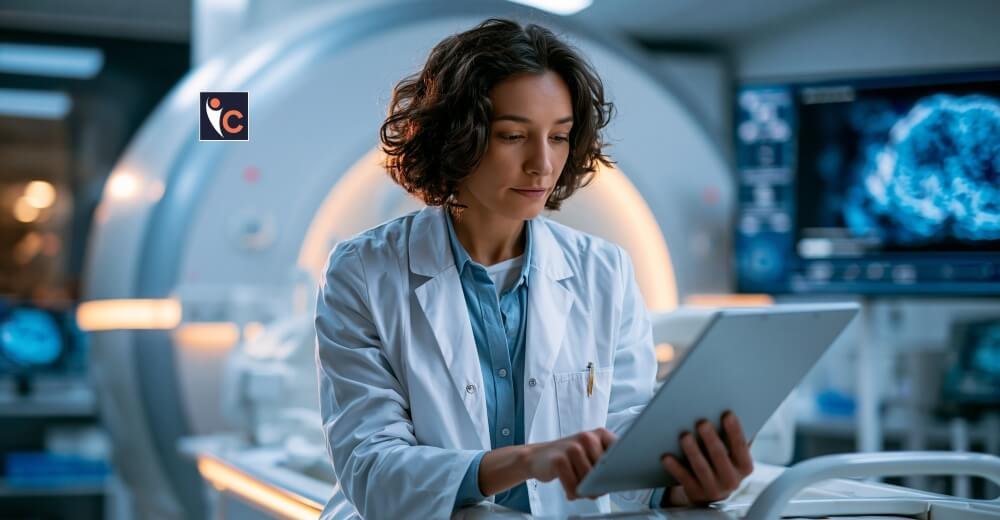
The tools available to interventional radiologists today are considerably more advanced than they were even a decade ago. Imaging systems have improved in resolution and speed. Catheters and guidewires have become more responsive. Devices designed for specific procedures have grown more refined and reliable.
But technology alone does not produce good outcomes. The best interventional radiologist uses these tools as extensions of their own judgment and skill. Knowing which device is appropriate, how to navigate anatomy that varies from patient to patient, and when to adjust the approach mid-procedure, these are human skills that no technology replaces. The equipment creates the possibility. The physician determines the outcome.
Collaboration With the Broader Medical Team
Interventional radiology does not operate in isolation. The procedures performed in this specialty are almost always part of a larger treatment plan developed alongside other physicians, surgeons, oncologists, cardiologists and primary care doctors, among them.
The best interventional radiologist is an active and communicative member of that broader team. They review patient histories, participate in treatment planning discussions, and share detailed findings that inform decisions made by other specialists. This collaborative role is often invisible to patients but is central to the quality of care they receive.
The ability to translate complex imaging findings into practical clinical guidance is one of the most valuable things an experienced interventional radiologist brings to any care team.
Navigating the Pre-Procedure Journey
For patients referred for an interventional radiology procedure, it is natural to feel uncertain. The specialty is not one that most people have much prior knowledge of, and the idea of internal procedures guided by imaging can sound intimidating.
What is worth understanding is that these procedures are performed routinely by specialists with deep experience in exactly this kind of work. The best interventional radiologist will walk through the procedure clearly, explain what to expect during recovery, and answer questions with patience and honesty.
Looking Ahead
Interventional radiology is one of the fastest-growing specialties in medicine, and that trajectory shows no sign of slowing. As imaging technology continues to improve and procedural techniques continue to advance, the range of conditions treatable through this approach will only expand.
The best interventional radiologist working today is not just serving current patients; they are helping shape what this field will look like for the next generation of care. That combination of technical excellence, clinical judgment and genuine commitment to patient outcomes is what makes this specialty one of the most important in modern medicine.