


Advanced Care Results
There was a time when treating serious conditions inside the body almost always meant surgery, a large incision, general anesthesia, a hospital stay measured in days, and a recovery measured in weeks. That picture has changed considerably. Today, a growing number of conditions are treated with remarkable precision through approaches that leave the body largely undisturbed. Advanced radiology treatments sit at the heart of this shift, and their impact on how patients experience care has been nothing short of significant. For patients, this change is personal. Less pain, faster recovery and fewer complications are not abstract statistics; they are real differences felt in the days and weeks following a procedure.
Features That Differentiate These Treatments
Traditional surgery works by giving the physician direct physical access to the area being treated. Advanced radiology takes a different path entirely. Rather than opening the body, imaging technology guides instruments through small entry points to reach the precise location where treatment is needed.
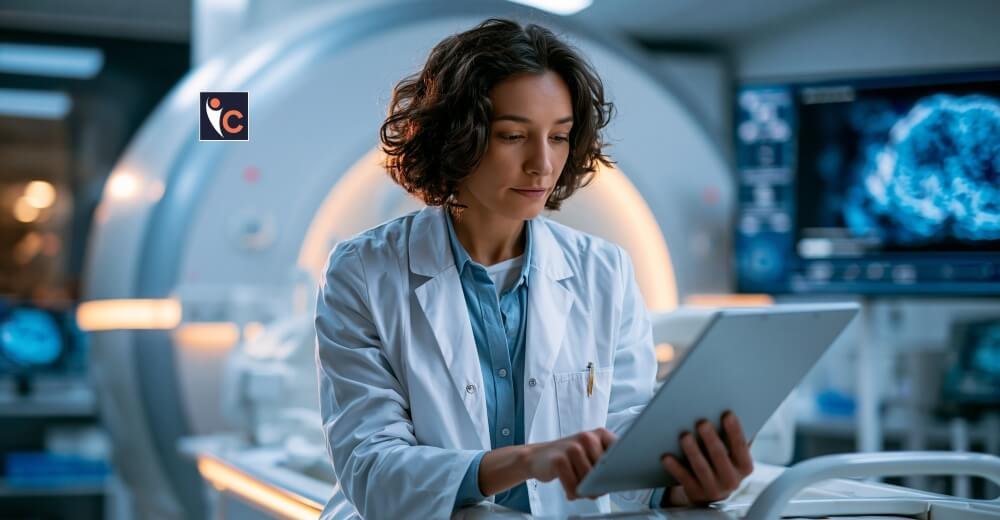
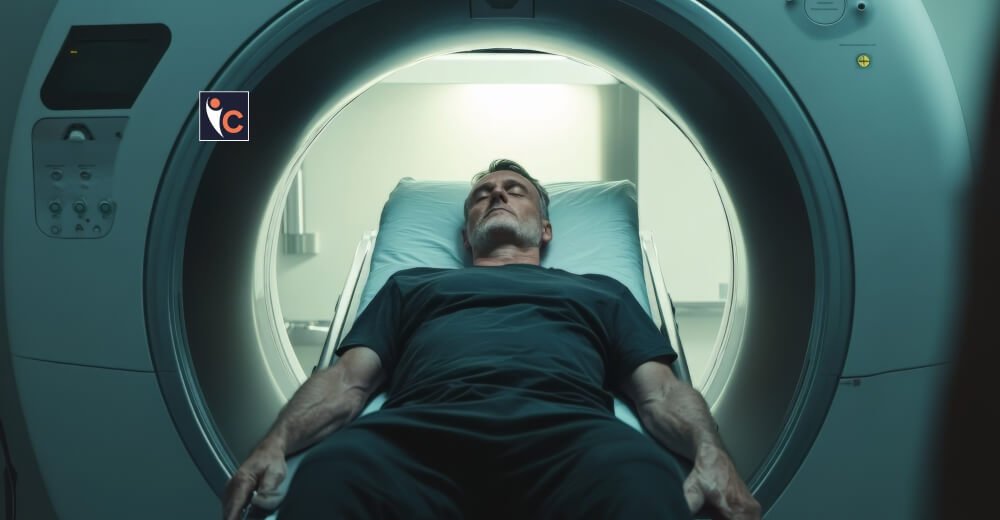
The imaging used varies depending on the procedure; some use live X-ray, others rely on ultrasound and some use more detailed scanning technology. What they share is the ability to show exactly where instruments are moving inside the body in real time. This level of visibility is what makes advanced radiology treatments both safe and precise in ways that would have been difficult to achieve through older methods. The result is treatment that reaches deep inside the body while causing minimal disruption to everything around the target area.
Shift Toward Better Patient Experiences
Ask anyone who has gone through a major surgical procedure about the recovery, and the story is rarely simple. Pain management, wound care, restricted movement, and time away from work and family are all part of the picture. Advanced radiology treatments have changed that experience for a growing number of patients.
Because the entry points are small and the surrounding tissue is largely left intact, the body has far less to repair afterward. Patients typically experience lower levels of post-procedure pain. Hospital stays are shorter, sometimes just a matter of hours rather than days. Return to normal activity happens faster, and for many patients, the overall experience feels far less disruptive to their daily lives.
For patients who are managing other health conditions alongside the one being treated, this reduced physical burden carries particular importance.
Key Treatment Areas with Notable Outcome
The reach of advanced radiology treatments across different medical conditions continues to expand. Vascular disease, certain tumors, blocked passages within the body, and conditions involving abnormal blood flow are among the areas where this approach has made a measurable difference in patient outcomes.
What has changed is not just that these conditions can be treated; many could be addressed before, but that they can now be treated with far less risk and far less physical cost to the patient. For some patients, particularly those whose overall health makes conventional surgery risky, radiology-guided treatment has become the option that makes intervention possible at all. This expansion of who can safely receive treatment is one of the most meaningful contributions this field has made to modern care.
The Skill Behind the Technology
It would be easy to assume that the technology does most of the work in these procedures. The reality is more layered than that. The imaging systems used in advanced radiology treatments are sophisticated, but they function as tools in the hands of a specialist whose training, judgment and real-time decision-making determine the outcome.
Navigating anatomy that differs from patient to patient, adjusting an approach mid-procedure when something unexpected appears on the imaging, and knowing when a different strategy is needed, these are human decisions that no machine makes independently. The technology creates the conditions for precision. The physician delivers it. This is why the quality and experience of the specialist performing these procedures matter as much as the equipment they use.
The Road Ahead
The trajectory of advanced radiology treatments points clearly in one direction. Imaging technology continues to improve. Instruments are becoming more refined. The range of conditions addressable through this approach is steadily widening, and the outcomes being achieved are continuing to improve alongside it.
For patients, this progress translates into more options, better results, and an overall experience of care that is less physically demanding than previous generations would have faced with the same diagnoses.
Advanced radiology treatments have not replaced every other form of medical intervention, nor are they intended to. What they have done is expand what is possible, giving physicians more tools and giving patients more paths toward recovery that their bodies can handle with greater ease. That is a shift worth understanding, and one that will only grow more relevant as this field continues to develop.