

Prime Highlights:
- The World Health Organization urges immediate action to stop the rising HIV cases in the Western Pacific, highlighting sharp increases in Fiji, the Philippines, and Papua New Guinea.
- Health ministers from 38 countries discussed improving testing, prevention, and treatment to tackle the escalating HIV crisis in the region.
Key Facts:
- Fiji has seen a tenfold increase in HIV cases over the past decade, with a major spike in 2024, while the Philippines has experienced a sixfold rise in infections since 2010.
- Papua New Guinea declared HIV a national crisis in mid-2024 as cases continued to rise, with injectable drug use and limited healthcare access contributing to the spread.
Background:
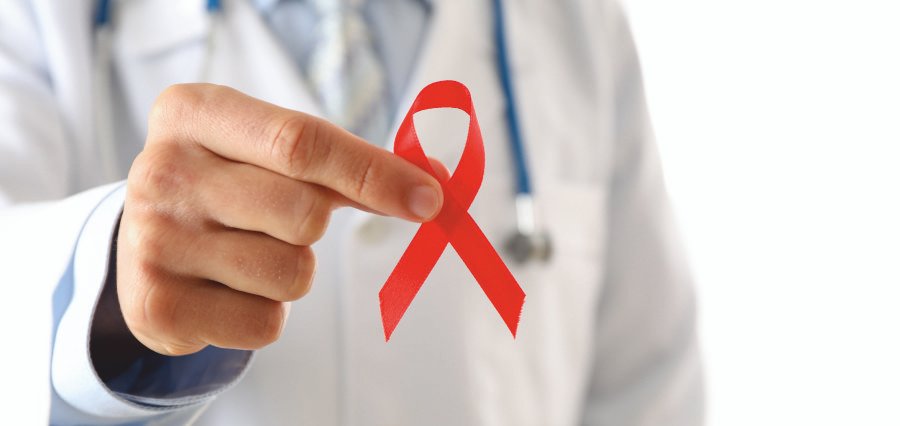
The World Health Organization (WHO) has strongly warned about the rapid increase of HIV cases in the Philippines, Fiji, and Papua New Guinea, urging immediate action to stop the virus from spreading further in the Western Pacific.
At a regional meeting in Fiji, health ministers from 38 countries, along with civil society and development partners, discussed ways to improve testing, prevention, and treatment. The meeting emphasized growing concern over the sharp rise in new infections in these island nations.
According to the WHO, Fiji has seen a tenfold increase in HIV cases over the past decade, with a major spike recorded in 2024. Using injectable drugs more often is a major cause of HIV spread. In the Philippines, HIV infections have risen sixfold since 2010, mainly among gay and bisexual men. Meanwhile, Papua New Guinea declared HIV a national crisis in mid-2024 as cases kept rising
Saia Ma’u Piukala, WHO’s Regional Director for the Western Pacific, noted that although there has been global progress, the region continues to struggle with issues like delayed diagnoses, restricted access to healthcare, and insufficient awareness initiatives. He called on countries to prioritize focused prevention efforts and expand testing coverage.
Health experts say early HIV symptoms include fever, fatigue, swollen glands, sore throat, and skin rashes. Some people may stay symptom-free for years, making regular testing vital. The CDC recommends safe sex, not sharing needles, and starting antiretroviral treatment (ART) early to control the infection.
The WHO stressed that education, testing, and timely treatment are the only ways countries can reduce the growing HIV threat in the region.