
Interventional Radiology is transforming the way many conditions are treated by offering procedures that are less invasive and more precise. Rather than relying solely on conventional surgery, this field uses imaging techniques to guide treatments, allowing for reduced recovery time, lower risk, and improved patient comfort. It plays a vital role in managing a wide range of conditions, particularly those related to vascular health, where timely and accurate intervention is essential.
Today, the role of a specialist in this field extends beyond procedures. It includes careful evaluation, accurate diagnosis, and selecting the most suitable treatment approach for each patient. With growing awareness and continuous advancements in medical technology, Interventional Radiology continues to expand its scope, providing effective alternatives that support better clinical outcomes.
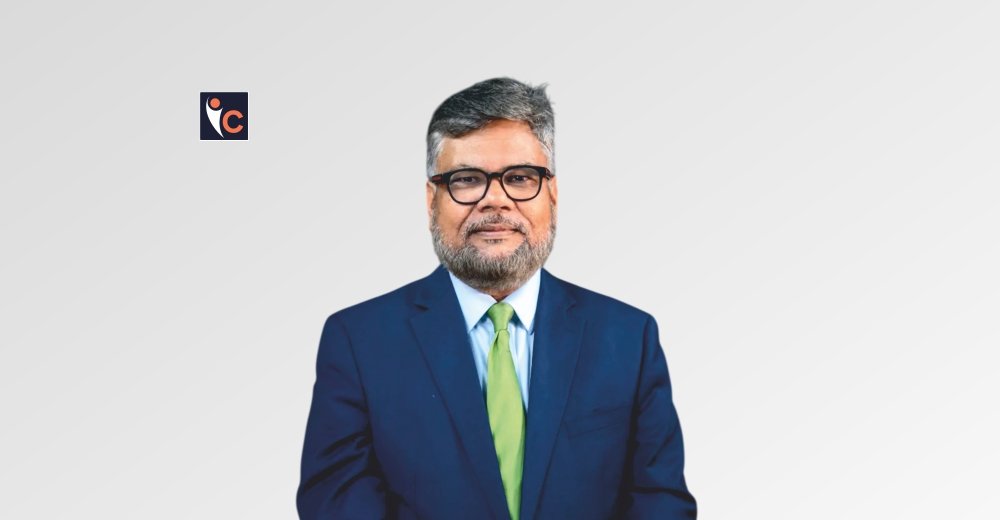
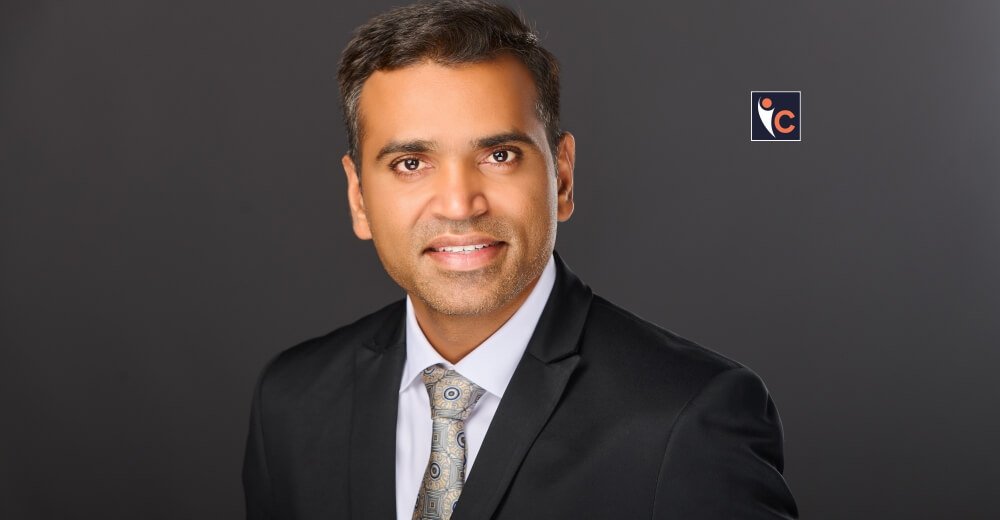
Dr. Sridhar Devu, Chief Interventional Radiologist at Go Vascular, reflects this focused and evolving approach to care. With extensive experience, he has worked in managing vascular conditions through targeted methods that prioritize both safety and efficiency. His practice is centered on delivering treatments guided by imaging, designed to support quicker recovery while maintaining clinical accuracy.
He also places importance on ensuring that patients understand their condition and the treatment process. By combining experience with a structured approach to care, he continues to contribute to improved outcomes and a more informed treatment experience.
Let’s take a closer look at his journey, his approach to treatment, and his perspective on the future of Interventional Radiology.
A Journey Driven by Purpose
Dr. Sridhar’s journey in medicine has been driven by a strong interest in precision-based, patient-centric care. During his early clinical training, he observed the challenges associated with traditional surgical approaches, particularly the recovery time and patient discomfort. These early observations played a crucial role in shaping his outlook toward treatment methodologies and patient experience.
This exposure led him to explore Interventional Radiology, a field that offers minimally invasive, image-guided treatments. He notes that, “The ability to treat complex conditions with reduced risk and faster recovery inspired me to pursue this specialty.” Over the past 15+ years, he has focused on advancing minimally invasive vascular treatments and improving patient outcomes. His work reflects a continuous effort to align clinical expertise with evolving patient needs, ensuring that care remains both effective and efficient.
Defining the Role of an Interventional Radiologist
As an Interventional Radiologist, Dr. Sridhar believes that his role extends beyond performing procedures. It involves comprehensive patient evaluation, accurate diagnosis, and delivering targeted treatments using image guidance. He focuses on providing minimally invasive solutions that reduce pain, hospital stay, and recovery time. This not only enhances patient comfort but also improves overall treatment outcomes.
Equally important in his practice is patient education. He emphasizes helping patients understand their condition and treatment options so they can make informed decisions. This approach reinforces trust and encourages active patient participation in the treatment process. Ultimately, his responsibility is to ensure safe, effective, and patient-centered care.
Leadership Rooted in Collaboration
In the healthcare environment, Dr. Sridhar believes collaboration is key, especially when dealing with complex cases. He focuses on fostering open communication, mutual respect, and a shared commitment to patient outcomes.
He stated that “Managing complex cases often requires coordination with multiple specialists, and effective leadership means aligning everyone toward a common goal,” highlighting the importance of teamwork in achieving successful outcomes. He emphasizes clarity in decision-making, ensuring that each step in the process is well understood by all team members. Accountability and continuous learning are also integral to his leadership philosophy. By encouraging knowledge sharing and professional growth, he ensures that the team remains adaptive and responsive to evolving clinical challenges.
Learning Through Challenges
Handling high-risk and time-sensitive cases has been one of the most challenging aspects of Dr. Sridhar’s career. “Situations where outcomes are uncertain require not only technical expertise but also strong decision-making under pressure,” he shared. These experiences have significantly shaped his perspective as a medical professional.
He has learned the importance of preparation, recognizing that thorough planning is essential in managing complex scenarios. Adaptability has also become a key attribute, allowing him to respond effectively to unexpected developments during procedures. Maintaining composure in critical situations enables him to make informed decisions while ensuring patient safety.
These challenges have also reinforced the value of empathy and clear communication with patients and their families. Providing reassurance and clarity during uncertain situations is an important part of patient care, helping to build trust and confidence.
Staying Ahead in a Rapidly Evolving Field
Interventional Radiology continues to advance at a rapid pace, making continuous learning essential. Dr. Sridhar regularly participates in national and international conferences, workshops, and training programs to stay updated. This ongoing engagement allows him to remain informed about the latest research, technologies, and evidence-based practices.
By staying current with advancements, he is able to adopt advanced techniques safely and effectively. He also believes in integrating new innovations into clinical practice while maintaining a strong foundation in proven methodologies. This balanced approach ensures that patients benefit from both cutting-edge treatments and established clinical practices.
Excellence in Practice and Recognition
Over the years, Dr. Sridhar has had the opportunity to successfully treat a wide range of complex vascular conditions, which in itself is a significant milestone. Each case represents not just a clinical achievement but also a meaningful contribution to improving a patient’s quality of life.
Being recognized as the Best Interventional Radiologist at the Insights Excellence Awards 2026 is a meaningful acknowledgment of his work in advancing patient care. However, he emphasized that “I consider patient recovery and satisfaction as the most important indicators of success.”
For him, the true value of his work lies in the positive outcomes experienced by his patients. Seeing individuals recover and return to their daily routines serves as a constant reminder of the impact of his efforts.
Balancing Professional and Personal Life
Maintaining balance in a demanding profession requires conscious effort. Dr. Sridhar prioritizes time management to ensure that he can effectively manage his responsibilities while also taking time to rest and recharge.
Spending quality time with family and engaging in activities outside of work helps him stay focused and maintain clarity in his professional responsibilities. He believes that “A balanced approach is essential for delivering consistent and high-quality patient care.”
By maintaining a well-rounded approach to life, he is able to manage the pressures of his profession while continuing to perform at a high level.
The Purpose Behind His Practice
The primary motivation behind Dr. Sridhar’s work is the impact he can create in patients’ lives. Seeing patients recover quickly and return to their normal routines is highly rewarding and reinforces his commitment to his field.
In addition to patient impact, the continuous evolution of Interventional Radiology presents opportunities to improve treatment outcomes further. The integration of new technologies and innovative techniques enables more effective and precise treatments.
He noted, “This combination of patient impact and innovation drives me to keep striving for excellence.” It fuels his determination to enhance his skills and contribute to the advancement of his field.
Advice for Aspiring Professionals
For aspiring medical professionals interested in interventional radiology, Dr. Sridhar emphasizes the importance of building a strong foundation in radiology and clinical medicine. A solid understanding of these areas is essential for success in this specialized field.
Interventional Radiology requires precision, patience, and a commitment to continuous learning. He encourages aspiring professionals that “It is important to stay curious, adapt to new technologies, and develop strong decision-making skills.”
Most importantly, he advises always prioritizing patient care and ethical practice. Maintaining integrity and focusing on patient well-being are fundamental principles that should guide every aspect of medical practice.
Looking Toward the Future
The future of Interventional Radiology is highly promising, with advancements in imaging, device technology, and artificial intelligence. These developments are expected to enable more precise, safer, and minimally invasive treatments.
Dr. Sridhar sees himself contributing to this progress by adopting innovative techniques and continuously improving clinical outcomes. His goal is to remain actively involved in the evolution of the field, ensuring that patients benefit from the latest advancements in medical technology.
He also recognizes the importance of enhancing patient awareness, making advanced treatments more accessible to a wider population.
Bridging Awareness and Innovation
A key aspect of Dr. Sridhar’s work is increasing awareness about minimally invasive treatment options, especially in vascular diseases. He believes that educating patients is essential for improving healthcare outcomes.
Through clinical practice and digital platforms, he aims to inform patients about early diagnosis and advanced treatment solutions. Increasing awareness can lead to timely intervention, which is critical in managing many medical conditions.
Bridging the gap between technology and patient understanding is an important step toward improving overall healthcare outcomes. By focusing on both innovation and education, he continues to contribute to a more informed and empowered patient community.