




Prime Highlights
- Global drugmakers have pledged nearly $500 billion for U.S. manufacturing and research expansion.
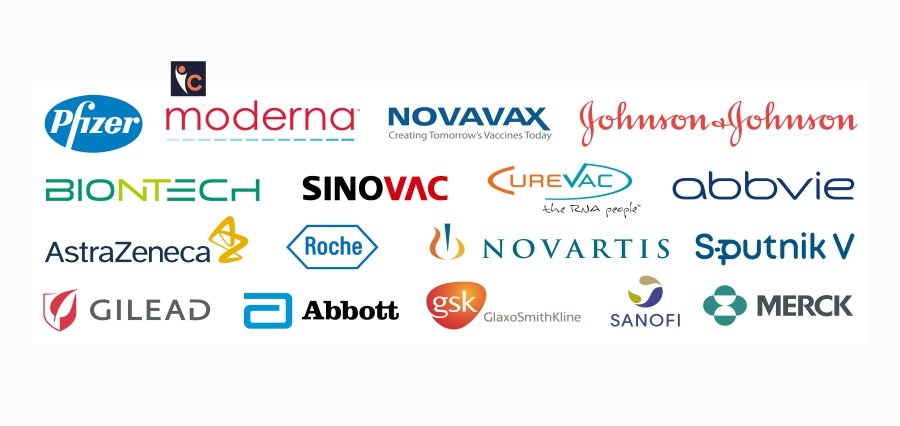
- Pfizer, Lilly, Roche, AstraZeneca and other pharma majors are increasing their U.S. production footprint.
Key Facts
- AbbVie plans to invest $100 billion in U.S. R&D over the next decade.
- Roche’s U.S. expansion is expected to create more than 12,000 jobs.
Background
Major pharmaceutical organizations from countries such as the US, Europe, Asia, and Australia are pouring billions of dollars into manufacturing facilities and laboratories located within the US territory, indicating a clear trend towards localization.
On an aggregate level, the industry plans to invest almost half a trillion dollars into various projects, which will include drug manufacturing plants and research centers, as well as expansion projects related to existing manufacturing capacities. Some of the biggest investments made include $70 billion by Pfizer to be allocated to U.S.-based drug manufacturing and research activities, and $55 billion by Johnson & Johnson. Eli Lilly is expanding its existing network of manufacturing facilities that are being developed in Pennsylvania, Texas, Virginia, and Alabama, amongst other states.
Several European drugmakers are also deepening their presence in the country. Roche has committed $50 billion in investments and is expanding operations across Indiana, Pennsylvania, Massachusetts, and California. AstraZeneca plans to spend $50 billion by the end of the decade, including the development of a major manufacturing facility in Virginia. Novartis has announced a $23 billion programme to build and expand facilities, while Sanofi intends to invest at least $20 billion in research and manufacturing through 2030.
Merck, AbbVie, Gilead Sciences, Amgen, and Biogen are likewise increasing spending on U.S. facilities. In the sector, companies have made investments in the development of new plants for the manufacture of biologics, research centers, automation, and new production lines.
It is a known fact that these business entities have emphasized the advantages of having a strong base in their own country because, through this, they will be able to create many new job opportunities. In addition, companies have also hinted that their existing stocks and increased investments in U.S. manufacturing sites will help soften any blow they may suffer as a result of upcoming trade policies.
The most recent announcements highlight just how crucial a market the U.S. remains for pharmaceuticals.